Fasting is a practice deeply embedded in Islamic tradition, serving as one of the Five Pillars of Islam. At ICE Islamia School, we not only nurture young minds with knowledge but also instill the importance of spiritual growth and discipline. Fasting is a profound way to achieve both, and its significance goes beyond refraining from food and drink. It’s a journey of self-purification, self-control, and connection with Allah (SWT).
Spiritual Benefits of Fasting
- Strengthening Faith: Fasting during Ramadan or voluntary fasts throughout the year allows Muslims to develop a closer relationship with Allah. It is a form of worship that reflects obedience and submission to His commands.
- Purification of the Soul: Fasting helps cleanse the heart of negative emotions like greed, anger, and jealousy. By focusing on prayers, recitation of the Quran, and dhikr, fasting enables a sense of inner peace and spiritual clarity.
- Increased Taqwa (God-consciousness): The Quran says, “O you who have believed, decreed upon you is fasting as it was decreed upon those before you that you may become righteous” (Surah Al-Baqarah, 2:183). Fasting reminds Muslims of their purpose and strengthens their awareness of Allah in their daily lives.
Physical Benefits of Fasting
In addition to its spiritual significance, fasting also provides numerous physical benefits, as modern science increasingly acknowledges:
- Detoxification: Fasting helps the body detoxify by giving the digestive system a break, allowing it to cleanse itself naturally.
- Improved Metabolism: Intermittent fasting, similar to Islamic fasting, has been shown to improve metabolism and regulate blood sugar levels.
- Mental Clarity: Many find that fasting enhances focus and mental clarity, fostering a stronger sense of discipline and mindfulness.
Teaching the Importance of Fasting at ICE Islamia School
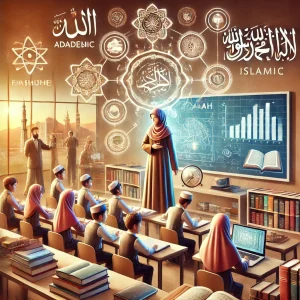
At ICE Islamia School, we emphasize the values and lessons that fasting imparts. Through age-appropriate activities and discussions, students learn:
- The Significance of Fasting in Islam: We teach the spiritual and historical context of fasting, helping students understand its importance as a form of worship. Lessons include studying verses from the Quran and Hadith that emphasize fasting’s benefits.
- Practical Guidance for Fasting: Students learn how to prepare for fasting effectively, including planning nutritious suhoor (pre-dawn meals), staying hydrated, and maintaining energy levels throughout the day.
- Fostering Empathy and Compassion: By experiencing hunger and thirst, students are encouraged to think about the less fortunate. This cultivates gratitude and inspires acts of charity, a key aspect of Ramadan and Islamic values.
Fasting Beyond Ramadan
While fasting during Ramadan is obligatory for adult Muslims, voluntary fasting throughout the year is highly encouraged. For example, fasting on Mondays and Thursdays or the six days of Shawwal are sunnah practices that provide continued spiritual growth and physical benefits. At ICE Islamia School, we inspire students to follow these practices, incorporating them into their lives as an ongoing form of self-discipline and worship.
Conclusion
Fasting is much more than abstaining from food and drink; it is a transformative journey that nurtures the mind, body, and soul. At ICE Islamia School, we are committed to educating our students about the power of fasting and how it shapes their character and faith. By integrating Islamic teachings with modern education, we prepare our students to grow into well-rounded individuals who excel in both worldly and spiritual realms.